Showing posts with label 1206 LCD. Show all posts

20120624

Lines


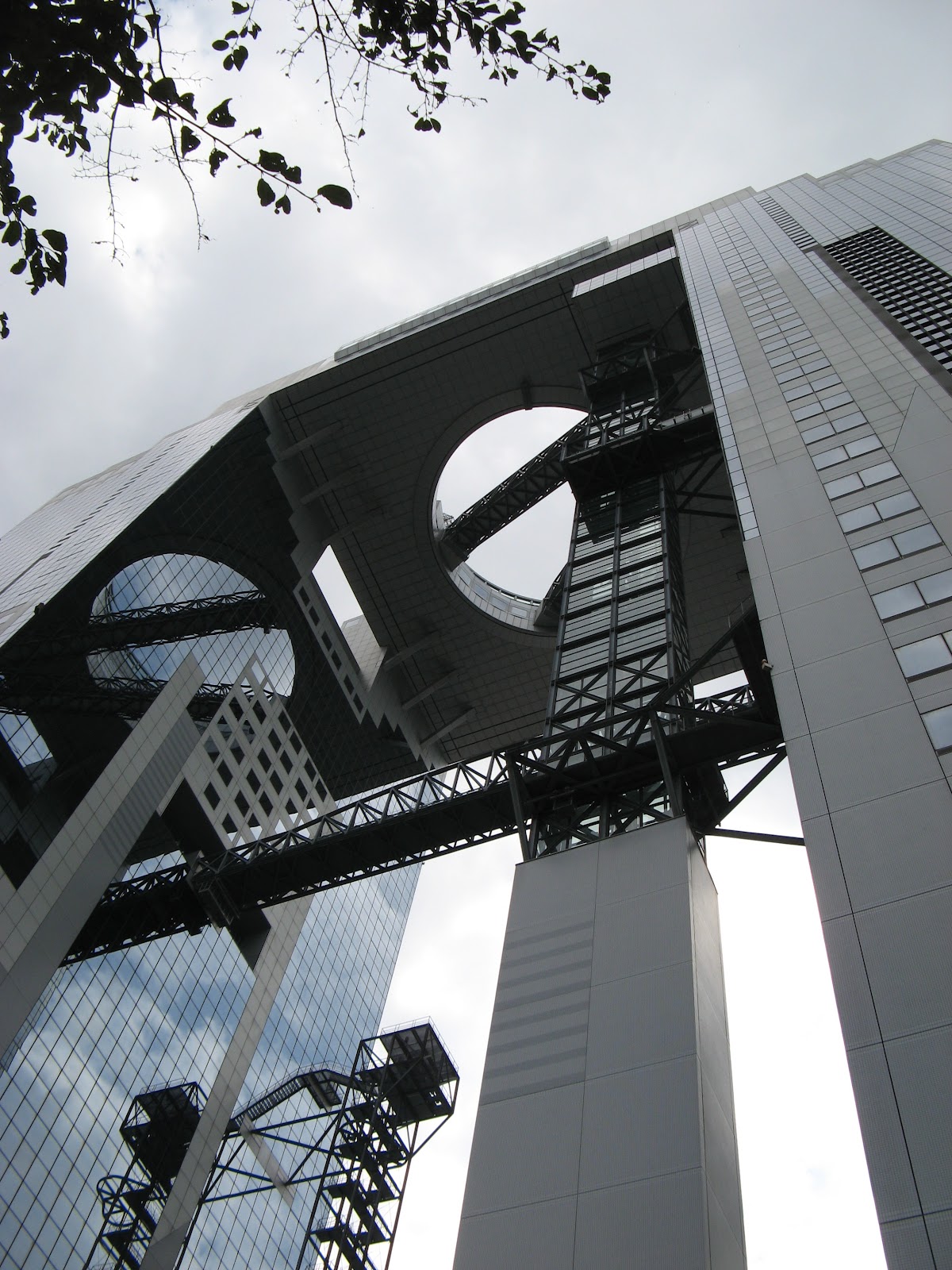
Lines represent straight objects with negligible width and depth. Lines were the first species of quantity, the simplest form of expressing a single dimension.
Multiple lines of different lengths meet at angles to form shapes. These varying angles in a 3-dimensional form give texture. 
Lines, angles, shapes, sizes, contours, texture, color, reflectivity. What we see is a combination of all these, and more.

20120623

Buildings and Structures


Shapes, angles, textures, colors, dimensions, shadows, detail. These photographs all show structures, with mostly gray, the blue of the sky, and dull earth colors, with the light source being sunlight. Yet the way that the light is reflected off each subject is vastly different.

20120622

Perspective

Looking at things from different angles really changes how things get interpreted. Colors, shapes, sizes.

Being a distance away and seeing the Kobe Port Tower alongside other structures, looking at just the tower, looking up at it from close by, and looking down while up on the tower, seeing its shadow.

Perspective can warp or transform objects in respect to objects around it, extending or distorting things. In production, keeping this in mind can help with planning for audiences viewing the show from different angles.

20120621

Lighthouses


Light and visibility are of utmost importance. The presence of lighthouses is one way this is proven.

The lantern room which houses the lamp, and the lens that magnifies the light. This light guides, aiding navigation. 

20120620

6/20
I commented on Colin's post about moonlight.

Glare

Overly-bright lights make it difficult to see.   Harsh light gives the viewer "dazzle" and causes discomfort. 

We want to control excessive light and not have light pollution when driving, and the same goes with designing lights, that we do not annoy or blind the audience. Angles, distances, and coverage. Camera position, light position.

20120619

Green


"To grow".

The color green first brings to mind the idea of growth, lushness and regeneration. Yet, it also signifies envy, sickness, lust and decay.

Frogs are actually blue and yellow, and the combination makes them look green. Green is linked most with nature, and yet there is no natural source for green food coloring that is approved. The #1 "Green" animal is the bee, for the word has taken on a different meaning.

Green light, in productions, is to be used with caution. A sickly, spooky feel can be created with this color. Yet, when combined with other colors, green can create positive effects.

20120618

Balloon


Looking up while in the balloon, looking down while going over a body of water, and looking out with your back to the sun. From strong colors to dull colors, to just grayed out. Viewing an object directly, its reflection, and its shadow show how detail is lost.

20120617

Texture


Areas of light and areas of shadows giving contours. Colors, angles, shapes. Blocking light, letting light through. Reflecting and absorbing light. The physical texture and surface quality of materials. All these are to be considered when designing a space, a show.

20120616

Plantae


The colors found in nature. We look at how colors work, if they are complementary or analogous, and we apply it in our design. We don't actually have to go out and look each time we think of designing a color scheme, for we already have these images and ideas in our heads based on years of experience, the time we've spent living on earth.